

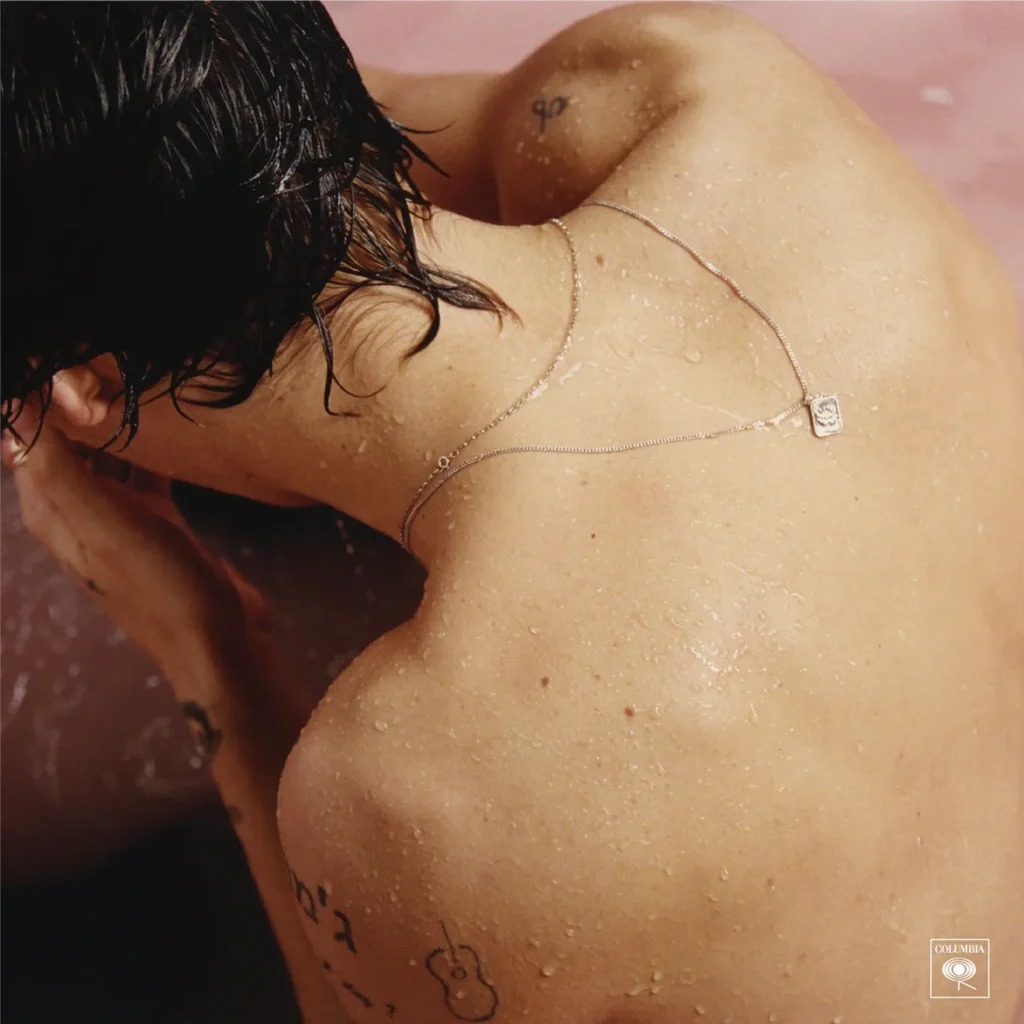
Harry Styles’ “Sign of the Times” in 2017, the piano ballad that wouldn’t play by the industry’s rules, established the former One Direction singer as a genuine solo entity.
Even six minutes of runtime was a statement. Radio formats don’t usually play so long a song. But Styles and co-writer Ryan McMahon created something that needed the space. So eliminating it would have killed the emotional journey totally.
It’s written from the perspective of a nurse talking to a dying mother at birth. Styles never said that in early interviews, but you can hear it in every lyric. There’s a certain gravity to the admonition to “stop your crying” and “put the pain behind you” when you know where it’s coming from. That backstory sets “Sign of the Times” apart from the usual first song from a solo artist.
Producer Jeff Bhaskar leans on classic rock and glam influences all the way. There are traces of David Bowie and Prince in the production, not in an imitative sense, but in an intentional way. So the song manages to feel timeless and contemporary in perfect balance — something that most first singles from pop acts don’t pull off.
It went to No. 1 in the UK and eighteen other nations. But its cultural longevity is rooted in something more than chart rankings. It came at a time of genuine political stress around the world and listeners in all languages related the message to whatever was most immediate in their own environment. Great songs take on the meaning their audience wants, not the meaning the song demands.
Eight years later, “Sign of the Times” still stands out in a way that most first singles from that era do not.
Give it a good replay tonight and recall why this record shifted the debate around what Harry Styles was capable of doing.













Discussion